
Let’s clear this up: most opportunities don’t die… they just go quiet.
People are busy.
They forget.
They get distracted.
They need approvals.
They push decisions.
They have a crisis.
They have 47 tabs open.
So when you don’t follow up, you’re not being “respectful.”
You’re being invisible.
The world doesn’t reward invisible.
Follow-up is not pressure.
Follow-up is professionalism.
1) The Psychology: Why Follow-Up Works
Follow-up works because:
- the timing might be wrong today
- but perfect next week
- and your message brings the opportunity back to the surface
A follow-up doesn’t annoy the right person.
It helps them.
The only time follow-up is annoying is when it’s:
- vague
- long
- emotional
- guilt-based
- pushy without value
Which means you can fix it with structure.

2) The Golden Rule: Always Make Follow-Up Easy
A great follow-up does one of three things:
- adds value
- reduces friction
- forces a decision politely
It shouldn’t be a novel.
It should feel like:
“Here’s what you need to move forward, with zero stress.”
3) The 3-Follow-Up System (That Works in Real Life)
Follow-Up #1 (2 business days later)
Subject: Quick check-in
“Hey ___, just checking in—happy to answer any questions. If helpful, I can send a 3-bullet summary of next steps.”
Follow-Up #2 (7 business days later)
Subject: Next steps?
“Hey ___, would you like me to send a simple timeline and options so it’s easier to review internally?”
Follow-Up #3 (14–21 days later)
Subject: Closing the loop
“Hey ___, I’ll close this loop for now so I don’t keep bothering you. If this becomes a priority again, I’m happy to reconnect.”
This last one is powerful because it removes pressure and triggers clarity.
People hate unresolved things.
You’re helping them resolve.
4) The “Value Follow-Up” Template (Best for cold outreach)
“Hey ___, I noticed ___ (specific observation).
If you’d like, I can share a quick suggestion that typically improves ___ by ___.”
Specific observation = credibility.
Generic follow-up = ignored.
5) The “Choice Follow-Up” (My favorite)
“Hey ___, quick question—should we:
A) proceed this week
B) revisit next month
C) close this for now?”
This works because it gives them a decision without drama.
Most people avoid replying because replying feels like work.
Make it easy.
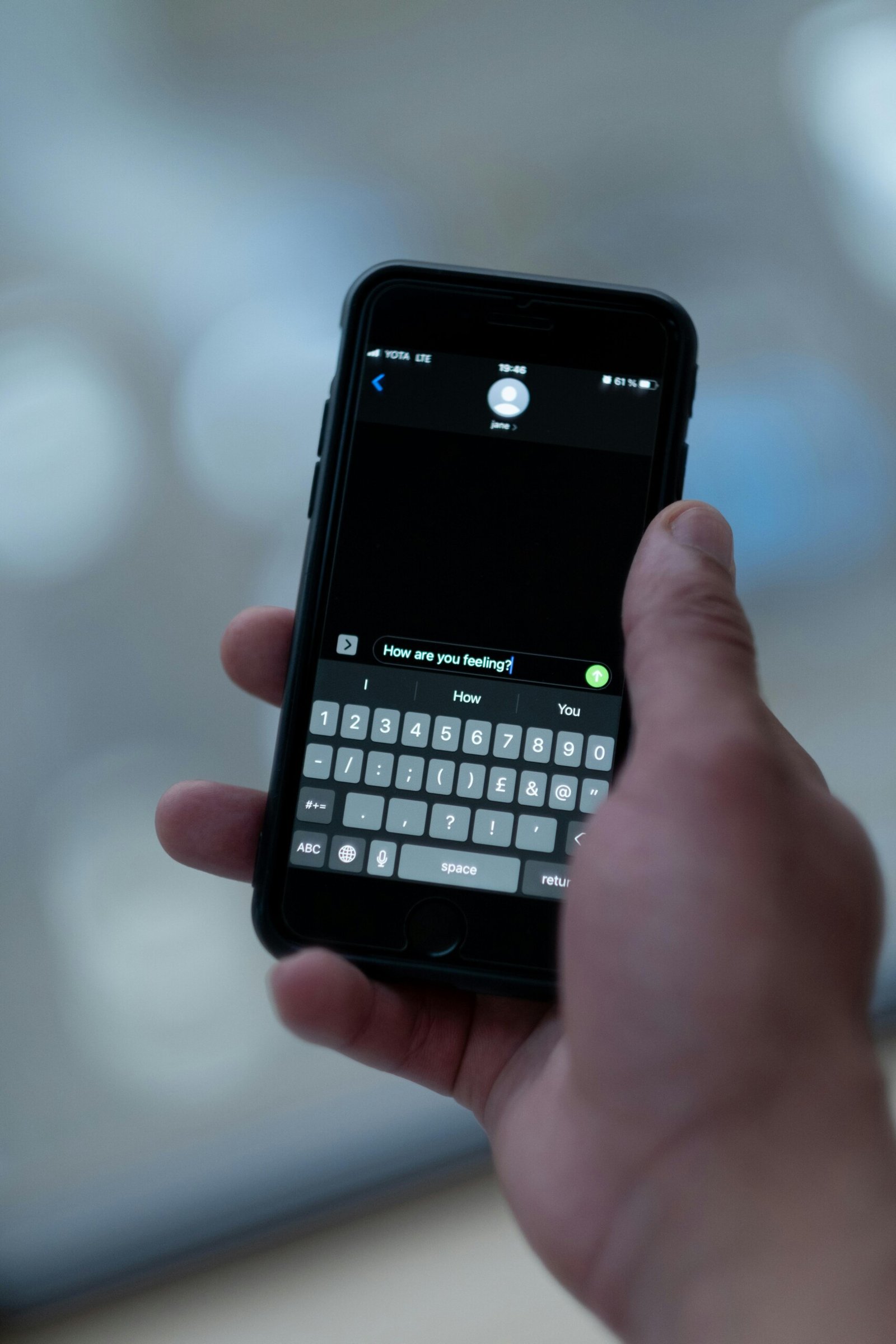
6) The Real Secret: Follow-Up is a Reputation Builder
Consistent follow-up signals:
- reliability
- professionalism
- seriousness
- confidence
- respect for timelines
It also prevents deals from slipping because you were “too polite.”
Polite is nice.
Clear is profitable.
Final thought
Follow-up isn’t begging.
It’s how the world works.
If you want more deals, partnerships, and opportunities:
Follow up like a professional.
Not once.
Not randomly.
But with a simple system.