
Procrastination isn’t a personality trait. It’s a monthly subscription you forgot to cancel.
You know that feeling when you delay something small—an email, a payment, a conversation—and it grows into a monster?
That’s not bad luck. That’s the procrastination tax.
It doesn’t show up in your bank account as a line item.
It shows up as:
- stress at 11:47pm for no reason
- lost opportunities you can’t fully explain
- a growing sense that you’re “behind” in life
- confidence leaks you don’t notice until you’re empty
Procrastination is rarely “I don’t want to do this.”
It’s usually:
“I don’t want to feel what doing this makes me feel.”
And that’s why we scroll, snack, clean, reorganize, re-check, and re-check again—like the solution is hiding inside our inbox refresh button.
The hidden math: procrastination multiplies small problems
Let’s say you avoid a simple follow-up.
What happens?
- The other person assumes you’re not serious.
- You lose momentum.
- You start feeling awkward about the delay.
- That awkwardness becomes a reason to delay again.
- Now it’s not just an email—it’s a relationship problem.
Procrastination isn’t delaying work.
It’s compounding uncertainty.
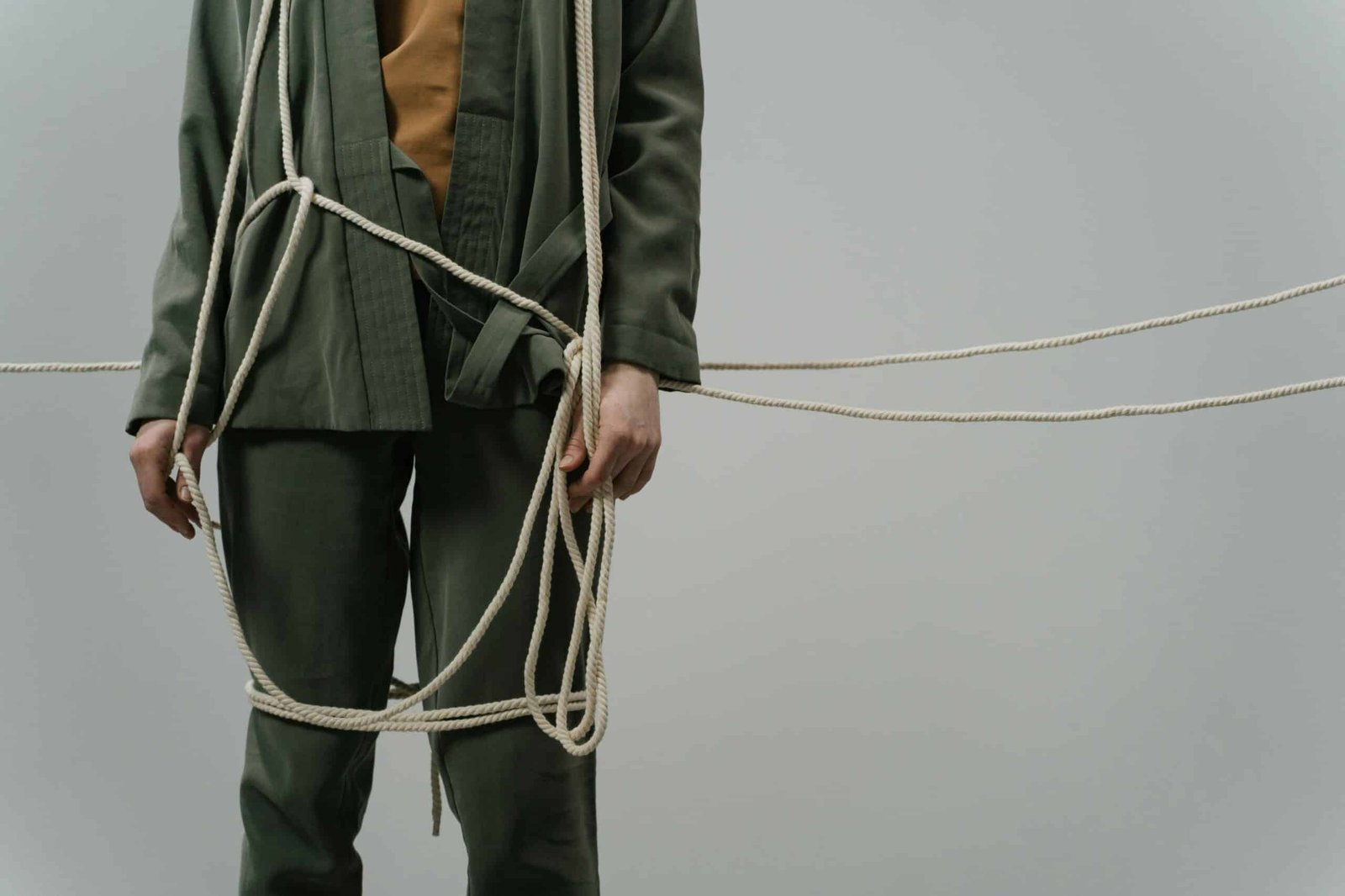
That’s why it feels heavy. Your brain hates open loops.
Why smart people procrastinate more than others
A lot of high-achievers procrastinate because they have:
- high standards
- big expectations
- a fear of doing it “wrong”
- a habit of overthinking
They don’t avoid because they’re lazy.
They avoid because their brain keeps saying:
“If we can’t do it perfectly, let’s not do it at all.”
Perfectionism is procrastination wearing a suit.
The “Emotion First” truth
Most productivity advice is mechanical:
- make a list
- set a timer
- drink water
- wake up at 5am
- become a machine
But procrastination is emotional.
So you need a strategy that handles emotion without drama.
The Procrastination Breaker System (relatable + practical)
This system is meant for real humans who:
- have responsibilities
- get tired
- get distracted
- live in 2026
- sometimes make decisions based on vibes
Step 1: Name the real reason (in one sentence)
Ask yourself:
“What am I trying to avoid feeling?”
Examples:
- “I’m avoiding rejection.”
- “I’m avoiding looking stupid.”
- “I’m avoiding the stress of choosing.”
- “I’m avoiding the effort of starting.”
- “I’m avoiding disappointment if it doesn’t work.”
Once you name it, the fear shrinks.
Step 2: Reduce the task to a 10-minute “starter step”
Don’t aim to finish. Aim to start.
Starter steps:
- open the document and write headings
- send the first rough message
- pull last month’s numbers into one sheet
- write the first paragraph only
- set up the folder structure
- make the call and leave a voicemail
Your brain doesn’t hate work.
Your brain hates uncertainty.
Starting creates clarity.
Step 3: Use the “ugly first draft” rule
Make it intentionally imperfect.
- ugly draft
- ugly version
- ugly first attempt
Because perfection is not a requirement for momentum.
Momentum is a requirement for perfection.
Step 4: Close the loop immediately
Procrastination survives in open loops.
Every time you close one loop, you build the identity:
“I handle things.”
That identity is more powerful than motivation.

The “Two-Day Rule” that changes everything
Never delay the same thing twice.
If you delay today, fine. You’re human.
But if it comes up tomorrow, you do it.
This rule alone can rewrite your life because it prevents “temporary delay” from becoming “permanent avoidance.”
The confidence effect
Confidence doesn’t come from affirmations.
It comes from evidence.
Every time you avoid something, your brain learns:
“I can’t handle this.”
Every time you do something, your brain learns:
“I can handle this.”
That’s why the biggest win isn’t finishing the task.
It’s proving to yourself that you can move.
Final thought
Procrastination is expensive.
Not because it wastes time.
Because it slowly convinces you that you’re the kind of person who doesn’t follow through.
You’re not.
You’re just carrying too many open loops.
Close one today.
Not all of them. Just one.